
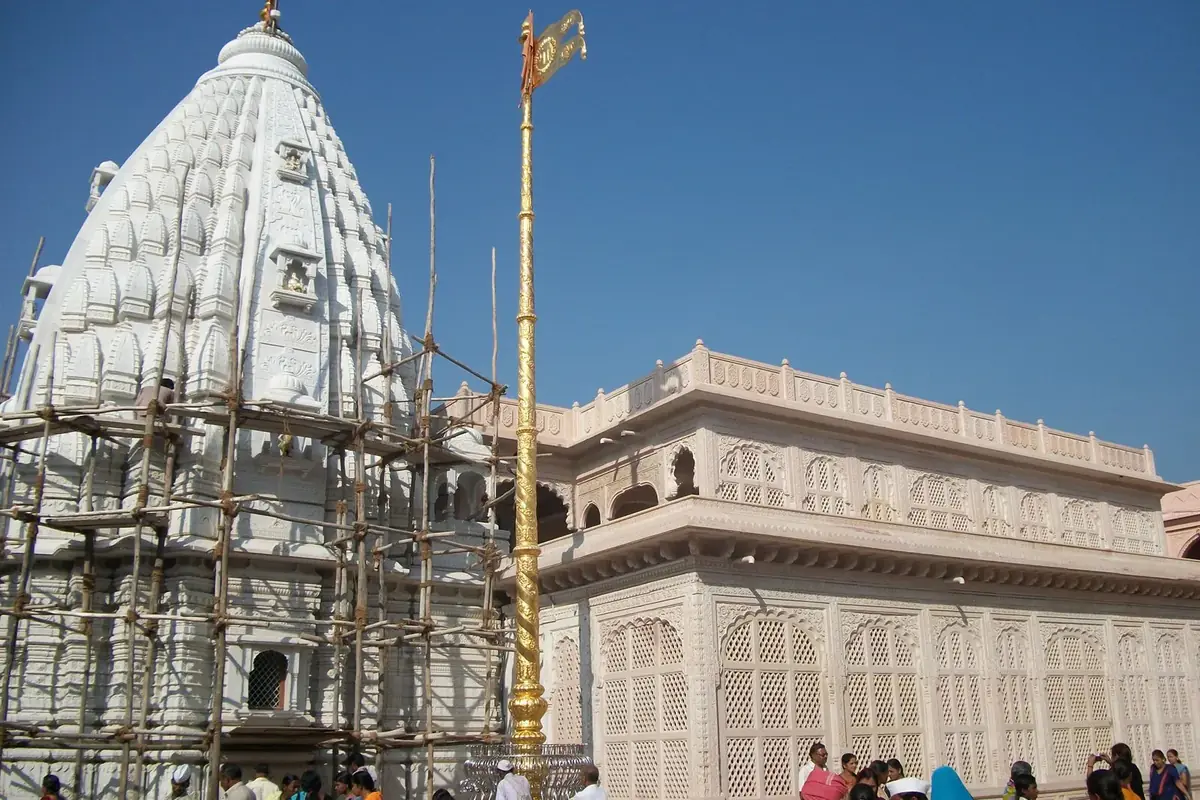
A good visit to Shegaon is usually decided days before the journey, not at the temple gate. Read these gajanan maharaj aarti timings before your visit as a short list of decisions. What should you confirm, what should you pack, and which session will you aim for on arrival? The schedule itself is simple. The preparation is the part people skip.
What the gajanan maharaj aarti timings before your visit should settle
Two things in Shegaon stay roughly constant, and two do not. The pattern of prayer does not change: five aartis, three darshan windows, meals at set hours. What moves is the exact minute, the room rate and the availability. Timings, tariffs and availability change, so confirm them close to your travel date rather than months ahead.
If your dates land on a festival, add slack everywhere. Festival days bring longer queues, earlier room fill and occasional changes to the aarti schedule. A timetable copied from an old post may be an hour out. An hour decides whether you catch the midday prayer or watch the doors close.
Write down what you were told, with the date you were told it. One line in a notes app is enough: the session you want, the check-in hour, the meal window you expect to use. When two people in the group remember different versions, that note settles the argument in ten seconds.
Meals follow fixed hours. Breakfast is served 7:00 to 9:30 AM, lunch 12:30 to 2:30 PM and dinner 7:00 to 9:00 PM. Put those three windows beside the five prayers and the squeeze becomes obvious. The midday aarti sits just before lunch opens, and the evening aarti sits where dinner begins.
The night before: bags, cash and the room question
Accommodation runs on its own clock. Check-in begins at 12:00 PM and check-out is by 10:00 AM, so a very early train means a wait rather than a room. Ask the Sansthan desk what to do with luggage if you land before noon. Treat the answer as part of the plan instead of a hopeful extra.
Pack for walking. The guest buildings sit within easy walking distance of the temple gates and the dining hall, so most of the day happens on foot. Rooms range from non-AC budget options to 2-bed and 4-bed AC rooms, family suites and dormitories. The bag should suit the room you booked.
Keep a little cash in small notes for autos, offerings and the odd queue-side purchase. Cards are accepted in plenty of places, but a folded note settles the small things without a detour.
One last item belongs on the night-before list. If you arrive after dark, check the shuttle window before deciding to walk with bags. The same question costs a minute in daylight and saves a hard walk in the dark.
The morning of: aim at one session, not all five
Five prayers divide the day. The first three usually fall at about 5:00 AM, 8:00 AM and 12:00 PM, and the last two at roughly 7:00 PM and 8:30 PM. The longest gap of the day sits between the second and third prayer, and it holds a full darshan window.
Darshan runs in three windows. The morning stretch is 6:00 AM to 11:30 AM, the afternoon 12:30 PM to 4:30 PM and the evening 5:00 PM to 9:00 PM. Read the two lists together and you can see where the day is tight and where it breathes.
Choose one and build the morning around it. The earliest prayer asks you to be dressed and awake before the first darshan window opens. The second lets you take darshan first and stay on for the prayer. Midday and evening aartis draw the largest crowds, so reach the gathering area early on those.
Do not plan to arrive on the closing minute of a window. The sanctum pauses between darshan windows for cleaning and ritual, and the queue can stall near the hour. A family that arrives at the wrong end of the pause waits outside.
If the plan slips, protect the meal before the prayer. A hungry group moves slowly, and the dining hall closes at 2:30 PM and again at 9:00 PM. Eating inside the window costs twenty minutes. Missing it costs the afternoon.
None of this is complicated. Confirm the two moving numbers, pack for walking, and choose one aarti as the anchor of the day. Let the rest of the schedule fit around that anchor. The commonest mistake is trying to attend all five and enjoying none.
Related information
5 Important Points to Know
- 1
Confirm aarti times, room rates and availability close to your travel date, not months ahead.
- 2
Check-in starts at 12:00 PM and check-out is by 10:00 AM, so morning arrivals wait.
- 3
Choose one of the five prayers as the anchor and let the other four stay optional.
- 4
Meal windows close at set hours, and lunch opens only after the midday aarti begins.
- 5
Arriving after dark is easier when you check the shuttle window before walking with bags.
Booking assistance
Plan Your Stay in Shegaon
If you are planning a visit for Gajanan Maharaj darshan, share your preferred room type, travel dates and group size with the booking desk. Current room rates and availability can change, so confirm the latest details before you travel. Read the Shegaon stay and darshan guide for local details.
+91 99278 46562 · Booking assistance, not an official reservation desk.
Frequently Asked Questions
Plan your visit
Pages that answer the practical questions this guide raises.
Related Guides
Gajanan Maharaj Aarti: Before Your Visit
Get ready for your pilgrimage by learning the gajanan maharaj aarti timings, darshan windows, and rules before you arrive in Shegaon.
Gajanan Maharaj Aarti: Checklist
A practical visitor checklist for attending the daily gajanan maharaj aarti at Shri Gajanan Maharaj Sansthan in Shegaon, covering timings, entry rules, and helpful preparations.
Gajanan Maharaj Aarti: Complete Guide
Plan your visit with this comprehensive gajanan maharaj aarti complete guide, detailing daily prayer schedules, darshan windows, and helpful tips for pilgrims in Shegaon.
Gajanan Maharaj Aarti: Family Visit Guide
A practical gajanan maharaj aarti family visit guide for planning a peaceful journey to Shegaon, covering daily timings, rules, and Sansthan facilities.