
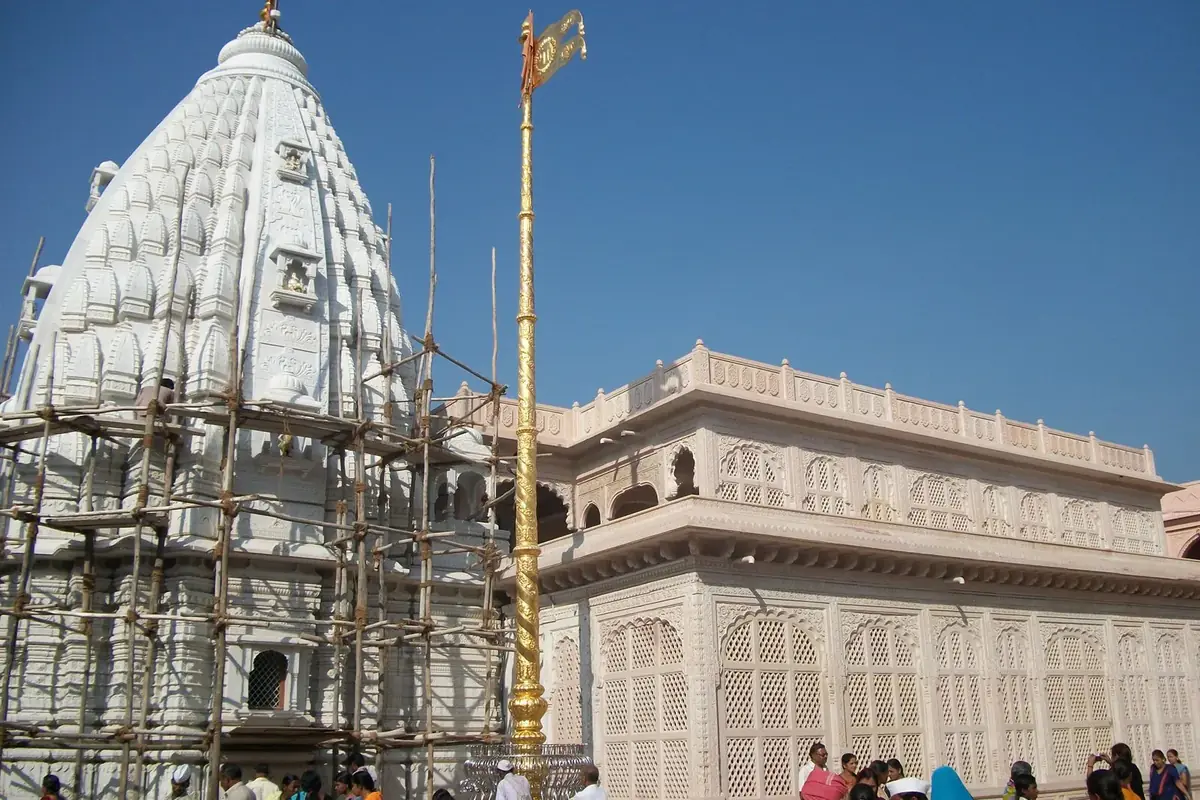
Every regular visitor keeps a short list of things they wish someone had said on the first trip. This collection of gajanan maharaj aarti timings things to know is that list. It covers the small mechanics of the day that no timetable explains, usually learned by people who tried to do too much.
gajanan maharaj aarti timings things to know that rarely get said
The schedule looks generous on paper. Five prayers and three open darshan windows suggest a day with room for everything. In practice the sessions cluster, the meals have edges, and the gaps are shorter than they appear from a distance.
The first thing to know is that a temple day has more appointments than a working day. There are five aartis, three darshan windows and three meals, and nothing is far apart. But everything has a start time.
Five prayers sound like plenty of chances, and they are. Two of them still fall close together at the end of the day, which is the part visitors underestimate.
The half hour after a window closes
The sanctum pauses between darshan windows for cleaning and ritual, so the queue can stall near the hour. Visitors who do not know this read the stop as a crowd problem and start looking for another entrance. There is no other entrance; there is only the pause.
The practical version of that fact is a rule about timing. Arrive in the first half of a window, never in the last ten minutes. Darshan normally runs 6:00 AM to 11:30 AM, 12:30 PM to 4:30 PM and 5:00 PM to 9:00 PM.
The same pause explains why the line looks worse than it is. A stopped queue at 11:25 is not a sign that the day is ruined, only that the window is finishing. Wait, and the next stretch opens within the hour.
The hours that are not prayer
Between sessions the campus is quiet, and that quiet is easy to waste. The guest buildings, the dining hall and the temple gates are a short walk apart. The middle of the day can hold a meal, a rest and a walk without any transport.
Meals are the part people misjudge. Breakfast is 7:00 to 9:30 AM, lunch 12:30 to 2:30 PM and dinner 7:00 to 9:00 PM. The dinner hour overlaps the 7:00 PM aarti exactly, which is why families often split between the two and reunite for the 8:30 PM session.
Check-in begins at 12:00 PM and check-out is by 10:00 AM. Neither hour bends in the way visitors hope, and both sit inside the part of the day when darshan is open. A plan that ignores them loses an hour at each end of the stay.
A visitor who arrives at noon expecting a room will wait, and the wait is longer if a festival has filled the wing. Booking ahead is the only reliable answer to that.
When the day goes wrong
Something usually slips: a train, a queue, a child who needs to sleep. The recovery is easier if you decided in advance which single session mattered. Choose one aarti as the anchor of the day and let the rest of the schedule fit around it.
Festival dates need more room than ordinary ones. Festival days bring longer queues, earlier room fill and occasional changes to the aarti schedule. The anchor may move, and the meal you counted on may be the one you skip.
- Know which session is your anchor and protect only that.
- Keep small notes of cash so a stuck machine does not decide the afternoon.
- Ask the desk for today's timings rather than trusting a saved page.
- Leave the last evening free if the journey home is early.
Water and a little patience solve most of the small problems. The bigger ones are usually a plan that scheduled two darshan windows back to back with no meal in between.
Most of the day is spent inside the campus, so a heavy bag is a decision you carry all afternoon. The last thing regulars know is that the day rewards a slow start, not an early sprint.
Related information
5 Important Points to Know
- 1
A temple day holds more fixed appointments than most visitors expect.
- 2
The short closure between darshan windows is what stops the gate queue.
- 3
Dinner at 7:00 PM collides with the evening aarti, so families often split.
- 4
Check-out by 10:00 AM sits inside the morning darshan hours and costs an hour.
- 5
Protect one anchor session and let a delayed train cost only that hour.
Booking assistance
Plan Your Stay in Shegaon
If you are planning a visit for Gajanan Maharaj darshan, share your preferred room type, travel dates and group size with the booking desk. Current room rates and availability can change, so confirm the latest details before you travel. Read the Shegaon stay and darshan guide for local details.
+91 99278 46562 · Booking assistance, not an official reservation desk.
Frequently Asked Questions
Plan your visit
Pages that answer the practical questions this guide raises.
Related Guides
Gajanan Maharaj Aarti: Before Your Visit
Get ready for your pilgrimage by learning the gajanan maharaj aarti timings, darshan windows, and rules before you arrive in Shegaon.
Gajanan Maharaj Aarti: Checklist
A practical visitor checklist for attending the daily gajanan maharaj aarti at Shri Gajanan Maharaj Sansthan in Shegaon, covering timings, entry rules, and helpful preparations.
Gajanan Maharaj Aarti: Complete Guide
Plan your visit with this comprehensive gajanan maharaj aarti complete guide, detailing daily prayer schedules, darshan windows, and helpful tips for pilgrims in Shegaon.
Gajanan Maharaj Aarti: Family Visit Guide
A practical gajanan maharaj aarti family visit guide for planning a peaceful journey to Shegaon, covering daily timings, rules, and Sansthan facilities.