
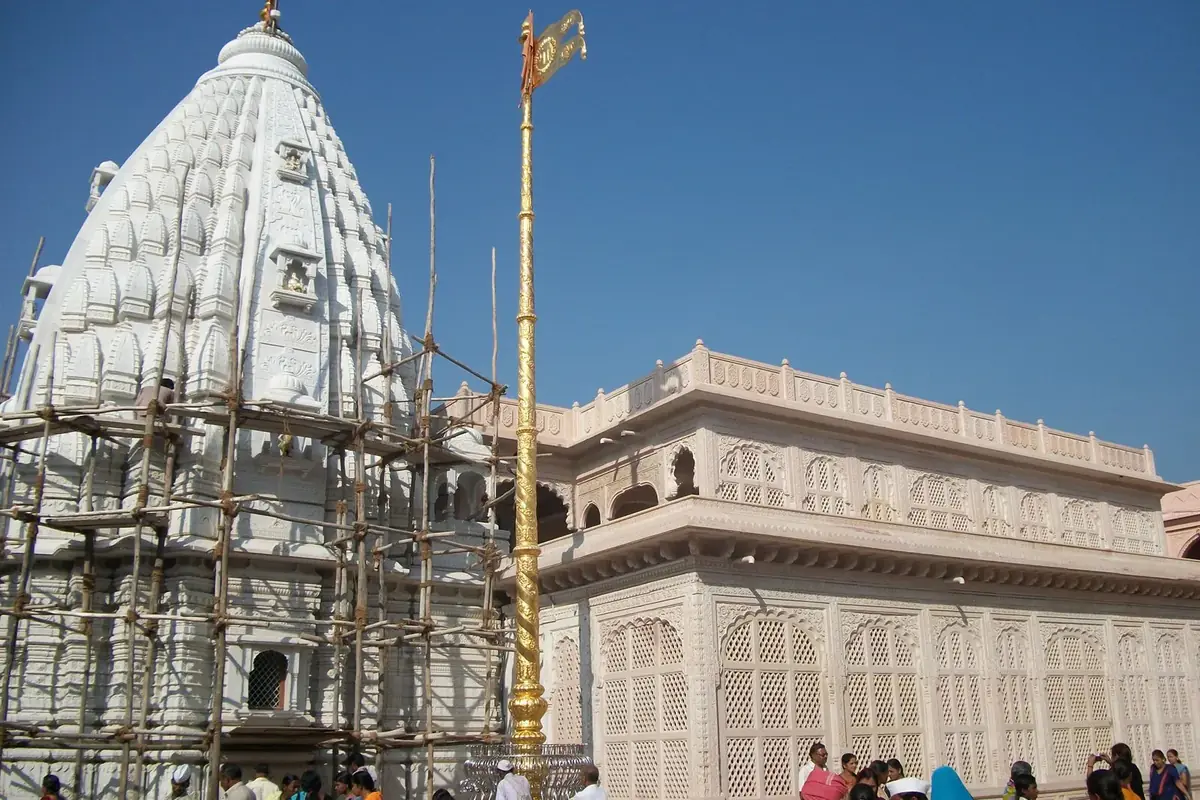
The history of Shegaon is closely tied to Shri Gajanan Maharaj, who lived and took samadhi in the town. What visitors see today - the samadhi shrine, the temple complex, the accommodation wing and the dining hall. Grew around that association over decades of pilgrimage rather than appearing all at once.
This page explainsgajanan maharaj history visitor guide: what to plan before you travel, how the day usually runs and which details to confirm at the official source.
Why the town matters
Shegaon is a pilgrimage town first. Its railway station, roads, guest houses and food services exist largely to serve the flow of devotees, which is why the Sansthan is involved in so much of the local infrastructure. Understanding that helps a first-time visitor read the town correctly: the temple is not one building in a city, it is the reason the town is arranged the way it is.
The Gajanan Vijay Granth records the saint's life and is the text most pilgrims read to understand the place. Read it alongside a visit rather than instead of one; the town itself, with its routine of aartis and shared meals, is the clearest illustration of the tradition.
What has changed for visitors
Facilities have expanded considerably: organised room categories, a large dining hall, the Anand Sagar complex and a station shuttle. The daily rhythm, however, has stayed recognisable - five aartis, three darshan windows and meals at fixed hours.
When you plan, rely on the current official schedule rather than older travel accounts. Festival days in particular can change timings, and the crowd pattern around a festival is very different from an ordinary weekday.
What a visitor should expect
Expect a working pilgrimage town rather than a single monument: queues at aarti time, shared meals at fixed hours and a short walk between the room and the temple gate. The day is easiest when you treat the fixed timings as the backbone and leave the rest flexible.
Gajanan Maharaj History Visitor Guide: quick checklist
- Keep a photo ID for every adult and the booking confirmation accessible offline.
- Note check-in (12:00 PM), check-out (10:00 AM) and the three darshan windows before you book travel.
- Choose one aarti as the anchor of the day instead of attempting all five.
- Keep a little cash, drinking water and a light layer of clothing within reach.
- Confirm current timings, tariff and availability through the official Sansthan channels.
Related information
5 Important Points to Know
- 1
Check-in starts at 12:00 PM and check-out is by 10:00 AM.
- 2
Darshan generally runs in three stretches: 6:00 AM to 11:30 AM, 12:30 PM to 4:30 PM and 5:00 PM to 9:00 PM.
- 3
The five aartis usually run at 5:00 AM, 8:00 AM, 12:00 PM, 7:00 PM and 8:30 PM; confirm on festival days.
- 4
Bhakta Niwas tariffs start from about Rs 1,200 and every adult guest needs a photo ID.
- 5
The free Sansthan shuttle links the railway station, bus stop, market and temple gates during operating hours.
Booking assistance
Plan Your Stay in Shegaon
If you are planning a visit for Gajanan Maharaj darshan, share your preferred room type, travel dates and group size with the booking desk. Current room rates and availability can change, so confirm the latest details before you travel. Read the Shegaon stay and darshan guide for local details.
+91 99278 46562 · Booking assistance, not an official reservation desk.
Frequently Asked Questions
Plan your visit
Pages that answer the practical questions this guide raises.
Related Guides
Gajanan Maharaj Biography: Before Your Visit
Prepare for your pilgrimage with essential gajanan maharaj biography information before your visit to the sacred shrine in Shegaon, Maharashtra.
Gajanan Maharaj Biography: Checklist
Discover gajanan maharaj biography visitor checklist with practical visitor guidance, planning information, related resources.
Gajanan Maharaj Biography: Complete Guide
A complete guide to Gajanan Maharaj biography, life at Shegaon, temple aarti schedules, and pilgrim services offered by the Sansthan.
Gajanan Maharaj Biography: Family Visit Guide
Explore gajanan maharaj biography family visit guide with practical visitor guidance, planning information, related resources.